
Adderall Effects on the Brain

How Adderall Affects the Brain: Short-Term and Long-Term Effects | Adderall Effects on the Brain
⸻
Introduction
Adderall is one of the most widely known prescription stimulants used to treat attention deficit hyperactivity disorder (ADHD) and narcolepsy. Its ability to improve focus, increase alertness, and enhance cognitive performance has made it a common subject of discussion in both medical and general contexts.
However, beyond its intended therapeutic uses, Adderall has a powerful impact on the brain that is not always fully understood. From short-term boosts in concentration to potential long-term neurological changes, the effects of Adderall are complex and depend on various factors such as dosage, frequency of use, and individual brain chemistry.
In this guide, we will explore how Adderall affects the brain in both the short and long term, breaking down the science in a simple and easy-to-understand way.
What Is Adderall?
Adderall is a central nervous system stimulant composed of amphetamine salts. It works by increasing the levels of key neurotransmitters in the brain, mainly dopamine and norepinephrine.
These neurotransmitters are responsible for:
•Focus and attention
•Motivation and reward
•Mood regulation
•Energy levels
By enhancing the activity of these chemicals, Adderall helps improve concentration and reduce impulsivity in individuals with ADHD.
⸻
⚙️ How Adderall Works in the Brain
To understand the effects of Adderall, it’s important to first understand how it interacts with the brain.
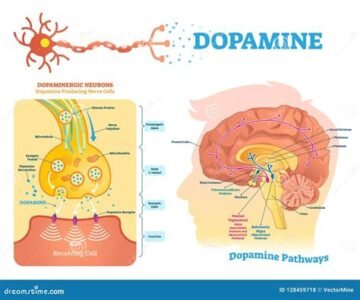
Adderall increases the release of dopamine and norepinephrine while also blocking their reuptake. This means that these neurotransmitters stay active in the brain for a longer period of time.
Key mechanisms:
•Increased dopamine release → improved motivation and reward response
•Increased norepinephrine → heightened alertness and focus
•Slower reabsorption → prolonged stimulation
This combination leads to the noticeable cognitive and physical effects associated with Adderall.
⸻
⸻
Short-Term Effects of Adderall on the Brain
In the short term, Adderall produces several noticeable changes in brain function.
Enhanced Focus and Attention
One of the primary effects of Adderall is improved concentration. This is especially beneficial for individuals who struggle with attention regulation.
⸻
Increased Alertness
Adderall stimulates the central nervous system, making users feel more awake and mentally sharp.
⸻
Improved Cognitive Performance
Many individuals report:
•Faster thinking
•Better memory retention
•Increased productivity
⸻
Elevated Mood
Because of increased dopamine levels, Adderall can produce feelings of:
•Motivation
•Confidence
•Mild euphoria
❤️ Short-Term Neurological Changes
While the short-term effects can be beneficial, they also involve significant changes in brain activity.
Overstimulation of neurotransmitters
High dopamine levels can overstimulate the brain’s reward system.
Reduced natural balance
The brain may temporarily rely on the external stimulation provided by Adderall.
⸻
️ Image Placement 2
[Insert image: Illustration of synapse activity under stimulant influence]
⸻
⚠️ Short-Term Side Effects on the Brain
Not all short-term effects are positive. Some individuals may experience:
•Anxiety
•Restlessness
•Irritability
•Difficulty sleeping
These effects are often linked to overstimulation of the nervous system.
⸻bing
⏳ Long-Term Effects of Adderall on the Brain
Long-term use of Adderall can lead to more significant changes in brain function.
⸻
Dopamine System Changes
Repeated stimulation of dopamine can lead to:
•Reduced sensitivity to dopamine
•Need for higher doses to achieve the same effect
•Difficulty experiencing pleasure without stimulation
⸻
Neuroadaptation
The brain adapts to regular stimulant use by adjusting its natural chemical balance.
This may result in:
•Lower baseline energy levels
•Reduced motivation without the substance
⸻
Cognitive Dependence
Some individuals may develop a reliance on Adderall for:
•Focus
•Productivity
•Mental clarity
⸻
⚠️ Potential Long-Term Risks
Long-term use, especially without medical supervision, may increase the risk of:
•Chronic anxiety
•Mood instability
•Sleep disorders
•Cognitive fatigue
⸻
️ Brain Health and Safe Use
Maintaining brain health while using stimulants involves:
•Following prescribed dosages
•Avoiding misuse
•Taking breaks when appropriate
•Monitoring mental and physical changes
⸻
To gain a deeper understanding of stimulant-related effects and how they influence both the brain and body, you can explore this detailed guide on stimulant effects.
⸻
How Adderall Affects Different Individuals
The effects of Adderall can vary depending on:
•Age
•Brain chemistry
•Medical history
•Dosage
Some individuals may experience strong positive effects, while others may encounter more side effects.
⸻
Adderall and Brain Plasticity
Brain plasticity refers to the brain’s ability to adapt and change over time.
Adderall may influence this process by:
•Enhancing focus during learning
•Affecting long-term neural pathways
However, excessive use may disrupt natural adaptation processes.
⸻
Effects on Sleep and Brain Recovery
Sleep plays a critical role in brain health.
Adderall can:
•Delay sleep onset
•Reduce sleep quality
Over time, this may affect:
•Memory consolidation
•Cognitive recovery
⸻
Additional Resources and Information
For more insights into stimulant use, neurological effects, and related topics, you can refer to this comprehensive resource.
⸻
Conclusion
Adderall has a powerful and complex impact on the brain. While it can enhance focus, alertness, and productivity in the short term, it also introduces changes in neurotransmitter activity that can affect long-term brain function.
Understanding both the benefits and risks is essential for making informed decisions. By approaching its use responsibly and staying informed, individuals can better manage its effects on their cognitive health.