
Adderall Side Effects: Short-Term and Long-Term Risks Explained

Adderall Side Effects: Short-Term and Long-Term Risks Explained
Introduction
Adderall is a prescription medication widely used to treat attention-deficit hyperactivity disorder (ADHD) and narcolepsy. Known for its ability to improve focus, attention, and energy levels, it has become one of the most commonly prescribed stimulants worldwide.
However, like any powerful medication, Adderall comes with potential side effects. These side effects can range from mild and temporary to more serious long-term health concerns, depending on factors such as dosage, duration of use, and individual sensitivity.
Understanding Adderall side effects is essential for anyone researching its impact on the body and brain. This article provides a comprehensive breakdown of both short-term and long-term effects, helping you make informed decisions and better understand how this stimulant works.
What Is Adderall and Why Does It Cause Side Effects?
Adderall is composed of amphetamine salts that stimulate the central nervous system. It works by increasing dopamine and norepinephrine levels in the brain.
These chemicals are responsible for:
•Focus and attention
•Motivation
•Mood regulation
•Alertness
While these effects can be beneficial, overstimulation of these systems can lead to side effects.
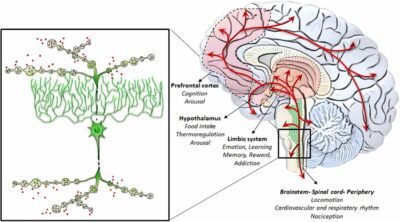
⚙️ How Adderall Affects the Body and Brain
Adderall stimulates both the brain and the body simultaneously.
Brain effects:
•Increased dopamine activity
•Enhanced alertness
•Improved concentration
❤️ Body effects:
•Increased heart rate
•Elevated blood pressure
•Reduced appetite
Because of this dual impact, side effects can appear in multiple systems.
⸻Adderall Side Effects
⸻
Common Short-Term Side Effects of Adderall
Short-term side effects are the most frequently experienced, especially when starting the medication or adjusting dosage.
Physical side effects:
•Increased heart rate
•Dry mouth
•Loss of appetite
•Headaches
•Sweating
⸻Adderall Side Effects
Psychological side effects:
•Anxiety
•Irritability
•Restlessness
•Difficulty relaxing
⸻
Sleep-related effects:
•Insomnia
•Trouble falling asleep
•Reduced sleep quality
⸻Adderall Side Effects
⚠️ Moderate Side Effects to Watch For
Some side effects may become more noticeable and require attention.
•Mood swings
•Increased stress levels
•Digestive discomfort
•Fatigue after effects wear off
These may indicate that the dosage is too high or that the body is reacting strongly.
⸻
❤️ Cardiovascular Side Effects
Adderall has a significant effect on the cardiovascular system.
Possible issues:
•Elevated blood pressure
•Irregular heartbeat
•Chest discomfort
In rare cases, individuals with pre-existing conditions may face higher risks.
⸻

Neurological Side Effects
The brain is one of the primary areas affected by Adderall.
Possible neurological effects:
•Increased mental alertness
•Overstimulation
•Anxiety or panic symptoms
In some cases:
•Paranoia
•Confusion
•Emotional instability
⸻
⚠️ Long-Term Side Effects of Adderall
Long-term use introduces more complex risks.
Brain-related risks:
•Dopamine imbalance
•Reduced natural motivation
•Cognitive fatigue
⸻Adderall Side Effects
❤️ Physical risks:
•Chronic sleep disruption
•Weight loss
•Cardiovascular strain
⸻
Psychological risks:
•Dependence
•Anxiety disorders
•Mood instability
⸻
Tolerance and Dependence
With prolonged use, the body may adapt to Adderall.
This can lead to:
•Reduced effectiveness
•Need for higher doses
•Psychological reliance
⸻bing
Adderall and Sleep Disruption
Sleep is essential for brain recovery, and Adderall can interfere with it.
Effects include:
•Delayed sleep cycles
•Reduced deep sleep
•Mental fatigue
⸻
Adderall and Emotional Health
Adderall can affect emotional balance.
Possible effects:
•Increased confidence
•Irritability
•Emotional highs and lows
⸻
️ How to Reduce Adderall Side Effects
To minimize risks:
•Follow prescribed dosage
•Stay hydrated
•Maintain a healthy diet
•Monitor your mental state
•Avoid combining substances
⸻
To better understand how stimulants influence both brain and body function, you can explore this detailed guide on stimulant effects.
⸻
Who Is More at Risk?
Certain individuals may experience stronger side effects:
•Those with heart conditions
•Individuals with anxiety disorders
•People sensitive to stimulants
⸻
Long-Term Monitoring and Awareness
Regular monitoring is essential when using stimulants.
•Track changes in mood
•Monitor physical symptoms
•Seek professional advice when needed
⸻
Additional Information and Resources
For more insights into stimulant use and related topics, you can explore this comprehensive resource.
⸻Adderall Side Effects
Conclusion
Adderall can provide significant benefits in improving focus and managing certain medical conditions. However, it also comes with a range of side effects that should not be ignored.
From short-term symptoms like insomnia and anxiety to long-term risks such as dependence and cardiovascular strain, understanding these effects is essential for safe and informed use.
By staying informed and practicing responsible use, individuals can better manage the potential risks associated with Adderall.