
Peruvian Cocaine: Effects, Origin, Composition, and Key Differences

Peruvian Cocaine: What It Is, Effects, and Key Differences
⸻
Introduction
Peruvian cocaine is often discussed in relation to its origin, composition, and effects on the human body. As one of the primary sources of coca cultivation, Peru plays a significant role in the global production of cocaine. This has led to increased curiosity and search interest around terms like Peruvian cocaine, pink Peruvian cocaine, and differences between cocaine types.
Understanding Peruvian cocaine requires looking beyond surface-level assumptions. It involves examining its origin, chemical composition, how it is processed, and how it affects both the brain and body.
This guide provides a comprehensive, educational overview of Peruvian cocaine, focusing on its characteristics, effects, and key differences compared to other forms.
Origin of Cocaine in Peru
Peru is one of the largest producers of coca plants, the raw material used in cocaine production. Coca cultivation has deep historical roots in South America, where it was traditionally used for cultural and medicinal purposes.
Key points about origin:
•Coca plants thrive in mountainous regions
•Traditional use dates back centuries
•Modern production involves chemical processing
The transformation from coca leaf to cocaine involves multiple stages, each influencing the final composition of the substance.
⸻

⸻
⚗️ How Cocaine Is Produced
Cocaine production involves extracting alkaloids from coca leaves and refining them into a concentrated form.
Basic stages:
2. Chemical extraction
3. Refinement into powder form
Each step affects:
•Purity
•Potency
•Chemical composition
⸻
What Makes Peruvian Cocaine Different?
Peruvian cocaine is often compared to cocaine produced in other regions such as Colombia or Bolivia.
Differences may include:
•Processing techniques
•Chemical composition
•Distribution methods
However, variations are not always consistent and can depend on multiple factors.
⸻
Understanding “Pink Peruvian Cocaine.”
The term pink cocaine has gained attention in recent years. Despite the name, it is often misunderstood.
Important clarification:
•Pink cocaine is typically not traditional cocaine
•It may contain a mix of substances
•Color is often artificially added
This makes it significantly different from conventional cocaine derived from coca plants.
⚙️ How Cocaine Affects the Brain
Cocaine primarily affects the brain’s reward system.
Key effects:
•Increased dopamine levels
•Enhanced alertness
•Elevated mood
Dopamine is responsible for:
•Pleasure
•Motivation
•Reinforcement behavior
⸻
Short-Term Effects of Cocaine
Short-term effects can occur rapidly after use.
Common effects:
•Increased energy
•Heightened focus
•Elevated confidence
⸻
Physical effects:
•Increased heart rate
•Reduced appetite
•Dilated pupils
⸻
⚠️ Short-Term Risks
While effects may seem temporary, risks can occur even with limited exposure.
•Anxiety
•Restlessness
•Increased blood pressure
•Headaches
⸻
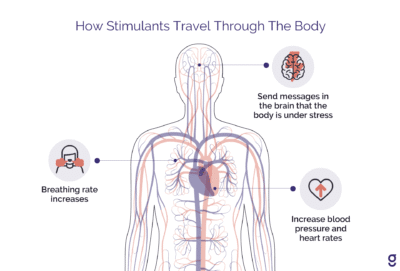
❤️ Effects on the Cardiovascular System
Cocaine has strong effects on the heart and blood vessels.
Possible impacts:
•Increased heart rate
•Elevated blood pressure
•Strain on the cardiovascular system
⸻
⸻
Long-Term Effects on the Brain
Long-term exposure can lead to changes in brain chemistry.
Potential effects:
•Dopamine imbalance
•Reduced natural motivation
•Cognitive fatigue
⸻
⚠️ Long-Term Risks
Repeated exposure may increase the likelihood of:
•Mood instability
•Sleep disruption
•Mental fatigue
⸻
Tolerance and Adaptation
The brain adapts to repeated stimulation.
This can result in:
•Reduced sensitivity
•Need for higher amounts
•Altered brain function
⸻
Psychological Effects
Cocaine may influence emotional and mental states.
Possible outcomes:
•Increased confidence
•Anxiety
•Mood fluctuations
Differences Between Cocaine Types
Cocaine can vary depending on:
•Region of origin
•Processing methods
•Additives
Comparison factors:
| Factor | Variation |
|---|---|
| Purity | Varies widely |
| Composition | Depends on processing |
| Effects | May differ slightly |
Cocaine vs Synthetic Substances
Cocaine differs from synthetic stimulants such as cathinones.
Differences:
•Natural origin vs synthetic
•Different chemical structures
•Variation in effects
⸻
️ Health Awareness and Safety
Understanding substance effects is important for awareness.
Key points:
•Effects vary by individual
•Dosage and frequency matter
•Health conditions influence response
⸻
Understanding Related Effects
To explore how stimulant substances influence brain and body function, you can read this detailed guide on stimulant effects.
⸻
Factors That Influence Effects
Several variables affect how substances impact the body:
•Body weight
•Metabolism
•Environment
•Frequency of exposure
⸻
Effects on Sleep and Recovery
Stimulant substances may affect sleep patterns.
Possible impacts:
•Difficulty falling asleep
•Reduced sleep quality
•Mental fatigue
⸻
Broader Context and Awareness
Understanding substances in a broader context helps individuals make informed decisions.
Education plays a key role in:
•Awareness
•Risk reduction
•Informed perspectives
⸻
Additional Resources
For more insights and related topics, you can explore this comprehensive resource.
⸻
Conclusion
Peruvian cocaine is often discussed in relation to its origin and production, but understanding it requires a broader perspective. From coca cultivation to chemical processing and its effects on the brain, multiple factors influence how it is perceived and experienced.
By focusing on education and awareness, individuals can better understand the differences, effects, and risks associated with substances like cocaine. This knowledge is essential for making informed decisions and understanding the broader context in which these substances exist.
⸻
❓ FAQ SECTION
⸻
❓ What is Peruvian cocaine?
Peruvian cocaine refers to cocaine derived from coca plants grown in Peru, one of the major coca-producing regions.
⸻
❓ Is pink Peruvian cocaine real cocaine?
Pink cocaine is often not traditional cocaine and may contain a mixture of substances with added coloring.
⸻
❓ How does cocaine affect the brain?
Cocaine increases dopamine levels, affecting mood, motivation, and alertness.
⸻
❓ Are there differences between cocaine types?
Yes, differences can occur based on origin, processing, and composition.
⸻
❓ What are the long-term effects of cocaine?
Long-term exposure may affect brain chemistry, mood, and overall health