
Psychedelics Explained: Effects, Types, and What to Expect

Psychedelics Explained: Effects, Types, and What to Expect | psychedelics effects
⸻
Introduction
Psychedelics are a group of substances known for their ability to alter perception, mood, and cognitive processes. Over the years, interest in psychedelics has grown significantly, with more people seeking to understand their effects, how they work, and the potential risks associated with them.
The term “psychedelics” refers to substances that primarily affect serotonin receptors in the brain, leading to changes in perception, sensory experience, and thought patterns. These effects can range from mild alterations in awareness to deeply immersive experiences.
This comprehensive guide explores the effects, types of substances, how they interact with the brain, and what individuals should know about their short-term and long-term impact.
What Are Psychedelics?
Psychedelics are substances that influence perception and cognition by interacting with the brain’s neurotransmitter systems.
Key characteristics:
•Alter perception of reality
•Influence mood and emotions
•Change sensory processing
•Affect thought patterns
They are often classified under a broader category known as hallucinogens.
⸻
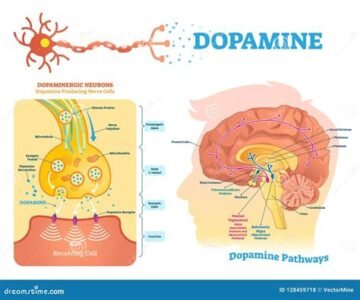
How Psychedelics Work in the Brain
Psychedelics primarily affect serotonin receptors, particularly the 5-HT2A receptor.
Brain effects:
•Increased neural connectivity
•Altered communication between brain regions
•Changes in sensory processing
This can lead to:
•Visual distortions
•Enhanced imagination
•Altered sense of time
⸻psychedelics effects
⸻
Types of Psychedelics | psychedelics effects
Psychedelics can be divided into several categories based on their origin and chemical structure.
⸻
1. Natural Psychedelics
Derived from plants or fungi:
•Psilocybin (found in certain mushrooms)
•Mescaline (from cacti)
⸻
⚗️ 2. Synthetic Psychedelics
Created in laboratories:
•LSD (lysergic acid diethylamide)
•Other synthetic compounds
⸻
3. Semi-Synthetic Substances
Modified from natural compounds.
⸻
Each type may produce slightly different effects, though they share common characteristics.
⸻
Short-Term Effects of Psychedelics
The effects of psychedelics can begin within a short time after exposure and vary in intensity.
⸻
Visual effects:
•Distorted shapes and colors
•Enhanced visual perception
•Pattern recognition
⸻
Cognitive effects:
•Altered thinking patterns
•Increased introspection
•Changes in perception of time
⸻
Emotional effects:
•Elevated mood
•Increased sensitivity
•Emotional fluctuations
⸻
Physical effects:
•Changes in heart rate
•Mild nausea
•Sensory stimulation
⸻
⚠️ Short-Term Risks
Not all experiences are positive.
Possible risks:
•Anxiety or panic
•Confusion
•Disorientation
•Sensory overload
Long-Term Effects of Psychedelics | psychedelics effects
Long-term effects can vary depending on frequency and context.
⸻
Potential outcomes:
•Changes in perception
•Emotional shifts
•Cognitive reflection
⸻
⚠️ Possible risks:
•Persistent anxiety
•Mood changes
•Psychological distress
⸻psychedelics effects
Psychological Impact
Psychedelics can deeply influence mental and emotional states.
Effects may include:
•Increased introspection
•Emotional sensitivity
•Altered perception of self
⸻
Psychedelics and Brain Connectivity
One of the most studied effects is increased connectivity between brain regions.
This may lead to:
•Enhanced creativity
•New thought patterns
•Altered perception
⸻
❤️ Effects on the Body
Although primarily affecting the brain, psychedelics can also influence the body.
Possible effects:
•Increased heart rate
•Changes in blood pressure
•Sensory stimulation
⸻
⚠️ Risks and Safety Considerations
Understanding risks is essential.
Key risks:
•Unpredictable experiences
•Psychological discomfort
•Environmental influence
⸻
️ Harm Reduction and Awareness
Reducing risk involves awareness and education.
General principles:
•Understand potential effects
•Be aware of mental state
•Avoid unknown combinations
⸻
Understanding Related Substances
To explore how other substances affect the brain and body, you can read this detailed guide on stimulant effects.
⸻psychedelics effects
Factors That Influence Effects
The experience can vary depending on:
•Individual sensitivity
•Environment
•Mental state
•External conditions
⸻
Effects on Sleep and Recovery
Psychedelics may temporarily affect:
•Sleep patterns
•Rest quality
•Mental recovery
⸻
Broader Context
Psychedelics are part of a broader category of substances that influence perception and cognition. Understanding their effects helps provide a clearer perspective on how the brain processes sensory information.
⸻
Additional Resources
For more insights into substance-related topics, you can explore this comprehensive resource.
⸻
Conclusion
Psychedelics are complex substances that influence perception, cognition, and emotional experience. While they can produce profound changes in awareness, they also come with risks that should not be overlooked.
Understanding psychedelics’ effects helps individuals better grasp how these substances interact with the brain and body. Education and awareness remain essential in navigating this topic responsibly.
⸻psychedelics effects
❓ FAQ SECTION
⸻
❓ What are psychedelics?
Psychedelics are substances that alter perception, mood, and cognitive processes.
⸻
❓ How do psychedelics affect the brain?
They primarily interact with serotonin receptors, leading to changes in perception and neural activity.
⸻
❓ What are the short-term effects of psychedelics?
Effects may include visual changes, altered thinking, and emotional shifts.
⸻
❓ Are psychedelics risky?
They can produce unpredictable experiences and may affect mental well-being.
⸻
❓ Do psychedelics have long-term effects?
Long-term effects vary and may include changes in perception or emotional state.