
What are poppers

What Are Poppers? Effects, Risks, and What You Should Know
⸻
Introduction
Poppers are a group of chemical substances commonly known for their fast-acting effects on the body. Often associated with recreational use, they are typically inhaled for their short-lived but intense sensations.
Despite their widespread recognition, many people still ask: What are poppers, and how do they actually affect the body?
Understanding poppers requires looking at both their chemical nature and their physiological effects. This guide explores what poppers are, how they work, their short-term and long-term effects, and important safety considerations.
⸻
What Are Poppers?
Poppers refer to a class of chemicals called alkyl nitrites. These substances are usually sold in small bottles and inhaled for their rapid effects.
Common types include:
•Amyl nitrite
•Butyl nitrite
•Isopropyl nitrite
They are often marketed under various names and labeled for purposes such as room deodorizers or cleaning products, although their use goes beyond those labels.
⚙️ How Poppers Work in the Body
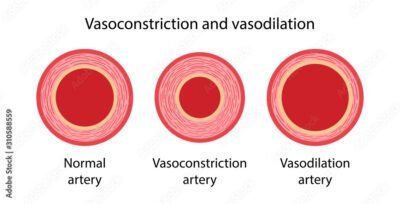
Poppers act as vasodilators, meaning they widen blood vessels.
Key effects:
•Relaxation of smooth muscles
•Increased blood flow
•Temporary drop in blood pressure
This leads to:
•A warm sensation
•Lightheadedness
•Increased heart rate
⸻
Learn what poppers are, how they affect the body, and their short-term and long-term risks. A complete guide to effects, safety, and usage.
⸻
Short-Term Effects of Poppers
The effects of poppers occur quickly, often within seconds.
Common effects:
•Warm, flushed feeling
•Dizziness or lightheadedness
•Increased heart rate
•Muscle relaxation
⸻
Sensory effects:
•Enhanced sensations
•Temporary euphoria
•Reduced inhibitions
⸻
Duration:
•Effects typically last 1–5 minutes
•Rapid onset and quick fade
⚠️ Short-Term Side Effects
While effects are brief, side effects can still occur.
Possible issues:
•Headaches
•Nausea
•Low blood pressure
•Fainting
Some individuals may be more sensitive and experience stronger reactions.
⸻
❤️ Effects on the Cardiovascular System
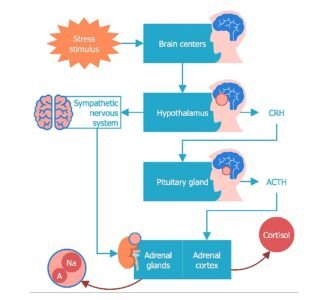
Poppers directly affect the heart and blood vessels.
Key impacts:
•Sudden drop in blood pressure
•Increased heart rate
•Temporary oxygen imbalance
This can lead to:
•Dizziness
•Weakness
•Risk of fainting
⸻
⸻What Are Poppers
Effects on the Brain
Poppers do not act like traditional stimulants but still influence brain function.
Effects include:
•Lightheadedness
•Altered perception
•Reduced mental inhibition
These effects are caused by rapid changes in oxygen levels and blood flow to the brain.
⸻What Are Poppers
⚠️ Long-Term Effects of Poppers
Repeated or prolonged use may lead to additional concerns.
Possible long-term effects:
•Chronic headaches
•Skin irritation around the nose
•Breathing issues
•Tolerance development
⸻
Tolerance and Repeated Use
With frequent use:
•Effects may become less noticeable
•Users may increase frequency
This can increase exposure and potential risks.
⸻What Are Poppers
Impact on Oxygen Levels
Poppers can affect how oxygen is transported in the body.
This may result in:
•Reduced oxygen efficiency
•Fatigue
•Weakness
⸻
️ Safety and Harm Reduction
To reduce risks:
•Avoid excessive inhalation
•Use in well-ventilated areas
•Avoid mixing with other substances
•Stay hydrated
Awareness plays a key role in minimizing potential harm.
⸻What Are Poppers
Understanding Related Effects
To better understand how different substances affect the body and brain, you can explore this detailed guide on stimulant effects.
⸻
Who Should Be Cautious?
Certain individuals should be more careful:
•Those with heart conditions
•People with low blood pressure
•Individuals sensitive to chemical exposure
⸻
Effects on Daily Functioning
Because effects are short-lived, poppers do not typically impact long-term productivity. However, repeated use may influence overall well-being.
⸻
Additional Resources
For more information and broader insights, you can explore this comprehensive resource.
⸻
Conclusion
Poppers are fast-acting substances that produce short-lived physical and sensory effects. While their effects may seem brief, they still impact the cardiovascular system, brain function, and overall health.
Understanding what poppers are and how they work helps individuals make informed decisions and reduces potential risks. Education and awareness remain essential when exploring any substance-related topic.
⸻What Are Poppers
❓ FAQ SECTION
⸻
Poppers are typically inhaled for their short-term effects, including muscle relaxation and a brief sensation of warmth and lightheadedness.
⸻
❓ How long do poppers last?
The effects usually last between 1 to 5 minutes, with rapid onset and quick fading.
⸻
❓ Are poppers dangerous?
They can cause side effects such as headaches, dizziness, and low blood pressure. Risks increase with excessive or repeated use.
⸻
❓ Do poppers affect the heart?
Yes, they can increase heart rate and lower blood pressure, which may be risky for some individuals.
⸻
❓ Can you use poppers regularly?
Frequent use may lead to tolerance and increased exposure to side effects, so caution is advised.